
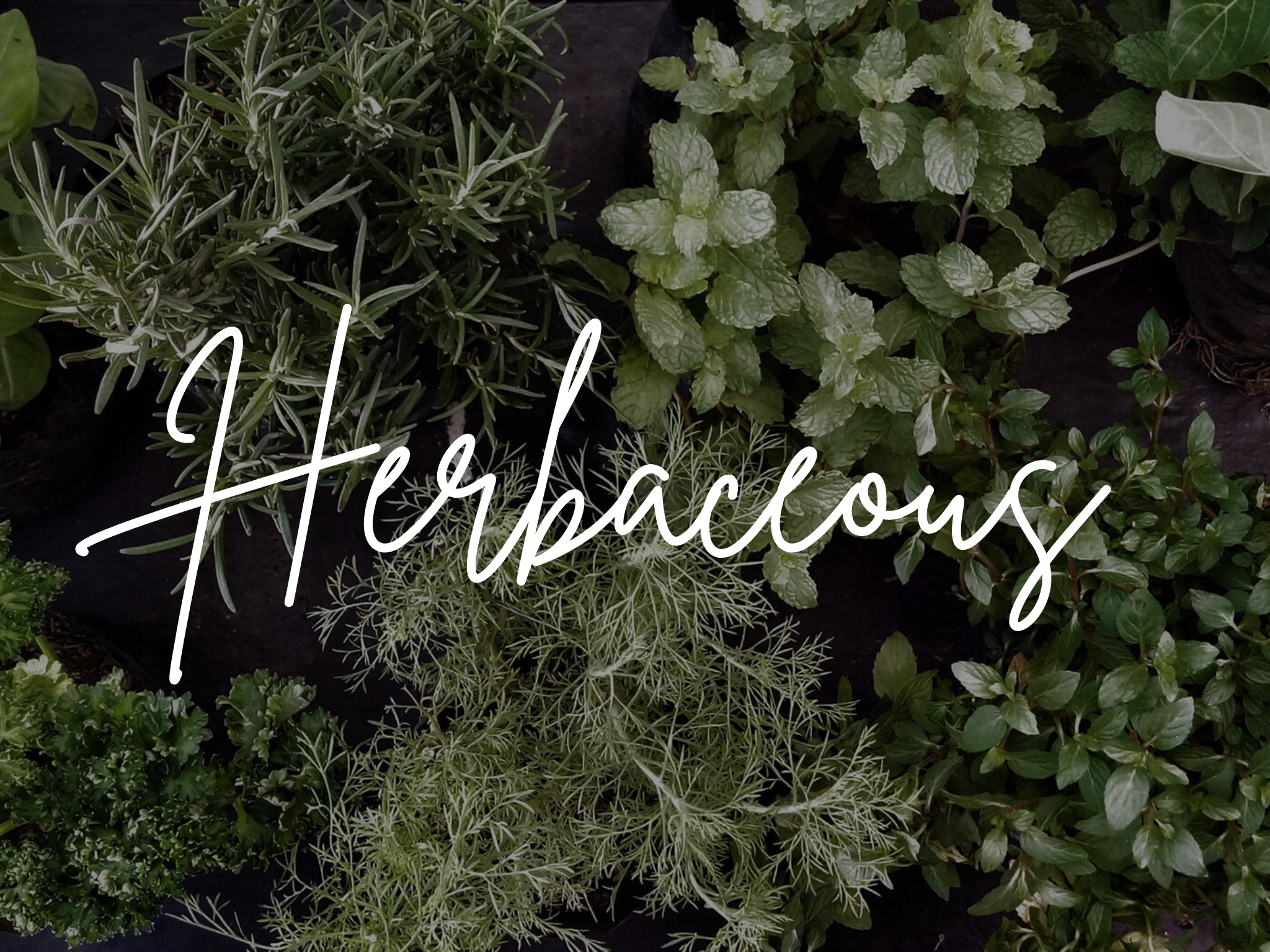
Can a wine be herbaceous? It might sound like an odd thing to find in your glass, but “herbaceous” is a term you’ll often spot on tasting notes and wine reviews. So, what is a herbaceous wine, and is it a good thing?
Let’s dive into everything you need to know about herbaceous wine.
What is a herbaceous wine?
In simple terms, a herbaceous wine has aromas or flavours that are reminiscent of fresh herbs. Think of walking through a garden full of rosemary, mint, or thyme—that’s the kind of sensation we’re talking about.
The word “herbaceous” literally means “like herbs”, and in the context of wine, it’s all about those green, savoury, often fresh characteristics that certain grape varieties or winemaking techniques can bring out.
Common herbaceous notes in wine
Some of the herbal notes you might detect in a herbaceous wine include:
-
Celery seed
-
Dill
-
Eucalyptus
-
Fennel
-
Lavender
-
Lemongrass
-
Mint
-
Rosemary
-
Thyme
Of course, not every wine will hit all these notes, and not all are the same. The exact expression will vary depending on the grape variety, how the wine was made, and even where it was grown.
Is herbaceousness a good or bad thing?
Here’s the fun part: it depends.
When herbaceous notes are balanced with a wine’s fruit, acidity, and structure, they can add complexity and freshness. Think of a Sauvignon Blanc with a grassy lift, or a Cabernet Sauvignon with a hint of eucalyptus—those herbal tones can be gorgeous.
But when those green notes overpower everything else, the wine can come off as underripe or overly vegetal. This is often when the term “herbaceous” starts to lean negative, and you’ll hear descriptors like “stemmy” or “leafy”.
So, like most things in wine, it’s all about balance.
Where will you find herbaceous wines?
Herbaceousness is most commonly linked to certain grape varieties and styles of winemaking. Some of the most well-known examples include:
White wines:
-
Grüner Veltliner
-
Verdejo
-
Vermentino
-
Vinho Verde
Red wines:
-
Rhône reds
-
Rioja
Why does herbaceousness happen?
Herbaceous notes usually come from primary aromas, those that are naturally present in the grape variety itself. But they can also be influenced by how the wine is made. For example, using whole grape clusters (including stems) or fermenting at lower temperatures can both encourage herbal characteristics.
Cooler growing climates can also accentuate green notes, especially if grapes are picked before they’ve fully ripened.
Conclusion: Embracing the green
So, is it a good thing? If it’s done well. These herby notes can bring brightness, complexity and a savoury twist to both white and red wines.
Next time you smell mint, rosemary, or even a touch of eucalyptus in your glass, don’t be alarmed. It might just be the sign of a beautifully balanced, herbaceous wine.